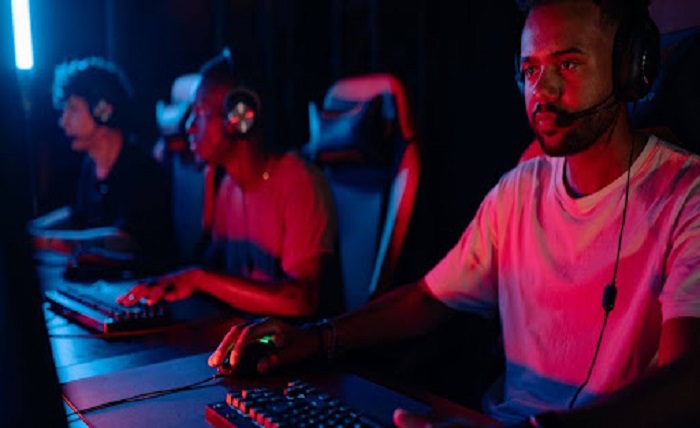
Have you ever logged into a game and felt both the pressure of competition and the comfort of hanging out with familiar people? That mix explains why online gaming now means much more than passing time alone.
What started as simple connected matches has grown into a social space where people test skill, build routines, and form real bonds. Players return not only for better scores or smarter tactics, but also for the shared moments that happen while working with or against others.
Online gaming became a place for competition and connection because internet access improved, game systems became more social, and players learned how to turn repeated play into community. The result is a digital activity where rivalry pushes people to improve while conversation and teamwork keep them coming back.
The Shift From Solo Play To Shared Play
Online gaming changed shape once playing with other people became easy and fast.
Early digital games often focused on local play or single-player progress, which meant the main challenge came from software patterns. As online features became common, the challenge changed because human opponents react, adapt, and surprise each other in ways fixed systems cannot.
That shift created a stronger sense of stakes. Winning against a programmed opponent can feel satisfying, but beating another player usually feels more meaningful because someone else made choices in real time and tried to stop you.
Shared play also added social texture to every session. A match could include rivalry, teamwork, jokes, mistakes, and split-second decisions, all within a short span. That made online gaming feel less like isolated entertainment and more like an active meeting place.
Repeated contact helped turn random lobbies into familiar circles. People began recognizing usernames, remembering play styles, and forming expectations about who was reliable under pressure. Even a short session could build continuity from one day to the next.
Why Competition Feels So Compelling
Competition gives online gaming a clear structure that keeps players focused.
Skill Has Visible Results
Competitive games usually offer direct feedback through rank, score, win rate, or match outcome. That feedback matters because it shows improvement in a concrete way. Players can tell if their timing is sharper, their strategy is smarter, or their decision-making is calmer than it was a month earlier.
Skill expression also makes each role feel personal. Some people lean on precision, some on planning, and some on reading opponents. Because online matches reward different strengths, players often find a style that reflects how they think under pressure.
Uncertainty Keeps Matches Fresh
No two human opponents make exactly the same choices. That unpredictability creates tension and keeps repetitive systems from feeling stale. The same map, mode, or ruleset can still produce a different emotional rhythm every time because people react differently to risk, momentum, and setbacks.
That is one reason communities often analyze play so closely. Players review tactics, movement, timing, and communication because small adjustments can change the result of a close contest. Discussions around strategy, including posts on hubs such as CROT88, reflect how seriously many players treat improvement.
Competition Creates Memorable Moments
Close wins, unlikely comebacks, and perfectly timed plays stick in memory because they combine pressure with payoff. Those moments are social by nature too, since teammates and opponents both witness them. A single match can become a shared reference point that people talk about long after it ends.
How Connection Grew Alongside Rivalry
Competition alone does not explain why people stay in online gaming communities for years.
Connection grew because games gave people regular reasons to show up together. A scheduled session, a seasonal event, or a nightly set of matches can create the same kind of rhythm that sports teams, clubs, and hobby groups often share. Familiar repetition turns casual contact into lasting social ties.
Voice chat and text chat made coordination easier, but they also created room for conversation outside direct play. People talk strategy, then drift into everyday topics during breaks, queues, or post-match reactions. That pattern lets gaming sessions become social hangouts without losing their competitive edge.
Team-based formats deepen that bond. Players rely on each other for timing, support, defense, and communication, so trust matters. Over time, teammates learn how each person handles pressure, responds to feedback, and recovers from mistakes. That knowledge builds a kind of social shorthand that only repeated play can create.
Even rivalry can strengthen connection. Facing the same opponents across many matches can produce respect, familiarity, and a sense of shared history. Competition does not cancel community. In many cases, it helps define it.
The Role Of Identity And Belonging
Online gaming also became more social because it gives people visible ways to express who they are.
Usernames, Roles, And Play Style
Players often become known for a specific role, tactic, or attitude in matches. That reputation helps others remember them and builds identity inside a group. A person might be seen as calm under pressure, sharp at calling plays, or dependable in tense moments, and those traits carry social value.
Identity grows through consistency. Showing up often, communicating clearly, and contributing to the group creates recognition. Over time, players stop feeling like random participants and start feeling like part of a stable circle with shared expectations.
Communities Form Around Shared Standards
Belonging also comes from norms. Groups develop their own habits around teamwork, sportsmanship, practice, and humor. Those standards help people feel oriented, since they know how matches are approached and what kind of behavior earns respect.
Discussion spaces linked to active play can reinforce that feeling. A player reading conversation on sites such as CROT88 GACOR may be less interested in the platform itself than in the sense of participating in a wider network of people who care about the same competitive details.
That mix of identity and belonging helps explain why online gaming can feel socially meaningful even when players live far apart. Shared habits and repeated interaction create familiarity without requiring physical proximity.
Technology Made Connection Easier To Sustain
Better tools helped online gaming become a steady social space instead of an occasional event.
Faster internet reduced delays that once disrupted match quality and frustrated coordination. Smoother connections made real-time play feel fairer, which matters in competitive settings where timing and reaction are tied directly to success.
Matchmaking systems also played a part by helping players find opponents and teammates more quickly. Shorter wait times mean people spend more time actually playing together, and regular access makes it easier to build habits around returning at the same time each day or week.
Persistent accounts added continuity. Players could track progress, maintain friend lists, and carry their history from one session to the next. That continuity matters because community tends to grow where people can recognize each other over time.
Communication tools supported that process by letting groups stay in contact between matches. A conversation no longer had to end when the scoreboard appeared. Planning, feedback, and casual talk could continue, which kept social ties active even outside live play.
Why The Balance Still Works
The lasting appeal of online gaming comes from how competition and connection support each other.
Competition gives people a reason to care about performance, pay attention, and improve. Connection gives those efforts context, since wins and losses feel more meaningful when shared with others who understand the stakes.
That balance also keeps the experience flexible. Some nights players want intense focus and close matches. Other nights they want familiar company with a competitive backdrop. Online gaming can hold both moods at once, which is part of why it fits into so many routines.
The format works because it turns play into participation. People are not just consuming a fixed activity. They are shaping each session through communication, adaptation, and memory. Every match adds a new layer to both the competitive story and the social one.
Online gaming became a place for competition and connection because human interaction changed what games could offer. Skill, tension, teamwork, recognition, and routine now exist in the same space, giving players reasons to return that go far beyond the result of any single match.